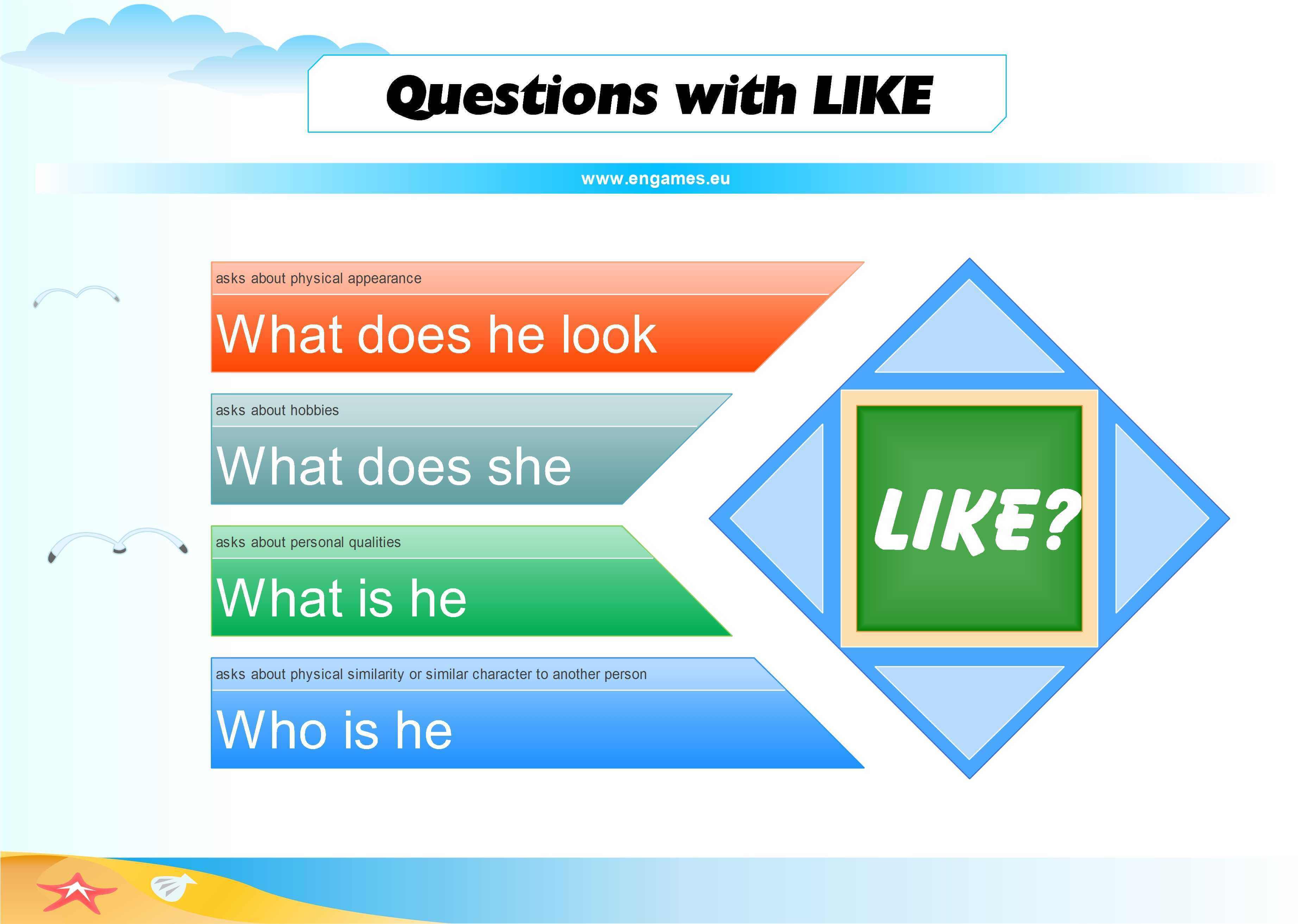
The word LIKE is one of the most productive words in English. However, many students often confuse the meaning of the questions with LIKE and they give completely wrong answers. Especially pre-intermediate students of English find these questions really difficult.
ADVERT:
[showmyads]
The aim of this post is to explain the meaning of different questions with LIKE and give students a chance to practise and remember the questions. To achieve this there is a video which is based on BBC programme called Grammar Challenge. Moreover, there is an infographic and a quiz to practise the grammar.
When I asked my brother what he does on the Internet he told me that he spends most time watching videos. And in my experience that is true for most of teenagers. To attract them to learning English I decided to create a short video explanation based on BBC learning English programme called Grammar Challenge. Watch the video and try to understand the grammar.
Once your students have watched the video, you can hand out the following infographic. Go through the sentences and elicit the correct answers to the questions in the picture.
Questions with like – online quiz
The following quiz consists of two parts. In the first part students listen to the answer and they have to choose the correct question. In the second part, students see the answer and part of the question and they have to type in the missing words to make the question correct. If the students pass the tests they will be rewarded with a game.
The quiz is in HTML5 and it will work on the desktop and all mobile devices.
In this post, I offer a set of activities for teaching 9 English irregular verbs. I have tested the sequence in class several times, and I have tried to improve it to get even better results. Right now I feel that the following sequence will ensure that students will learn the past tense of at…
A week ago I published a post on prepositions AT, IN, ON for time. Several students asked me if I could do something like that for prepositions AT, IN, ON but for places. So here you are. There is a mind map graphically explaining the usage of the prepositions and then there are 3 games…
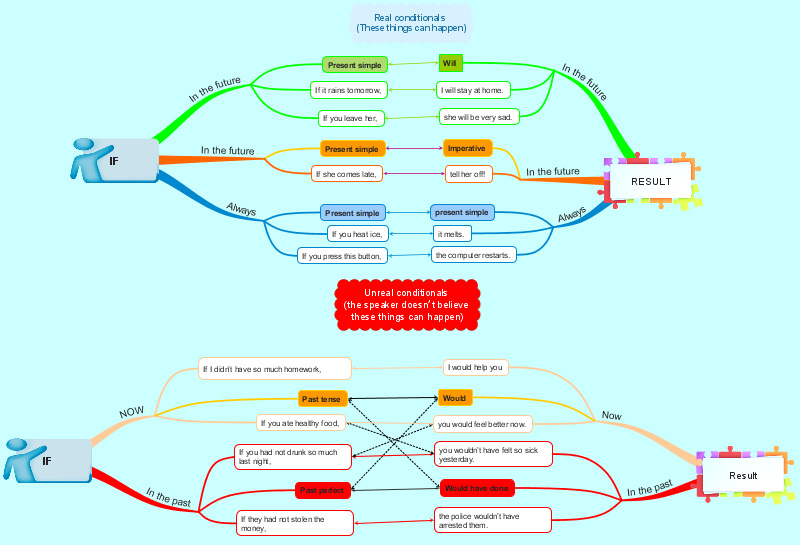
There are very few grammar points that I know so well as conditional sentences. Students always ask about them and they appear in tests and students. I have tried many times to explain this grammar, but I feel that I have always failed. I have created about 5 different presentations and three mind maps till…
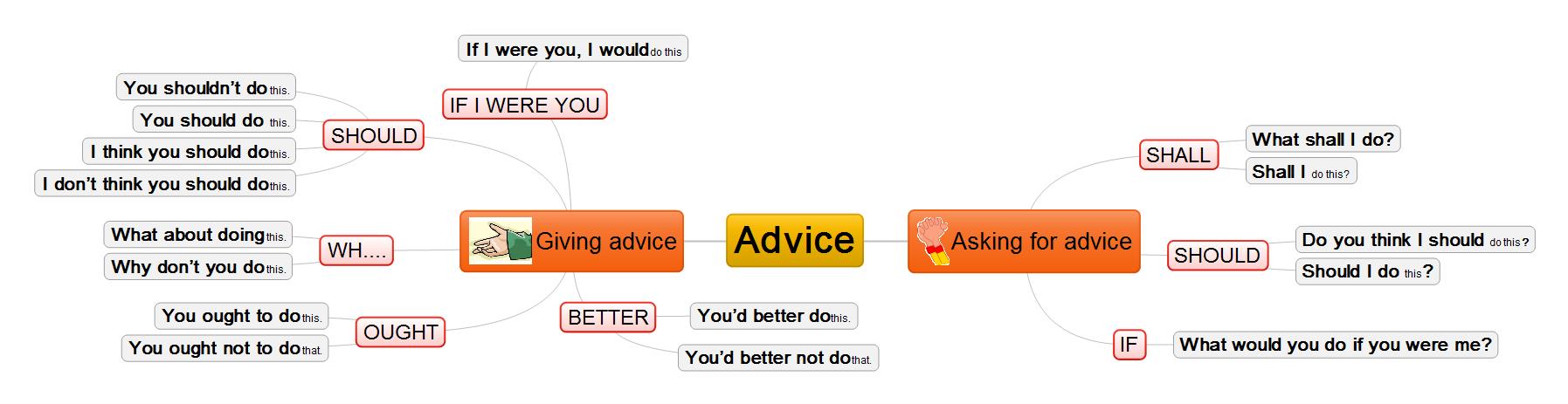
Phrases to ask for advice and for giving advice are incredibly useful for normal life. Students should be able to express their needs and I believe this post will help them with this. If you go through all the activities here, I am sure that you will learn these phrases in twenty minutes. However, to…
In this post, I would like to give away my book called GRAMMAR UP. This book uses a new, holistic approach to learning English grammar. In this book, you will practise your reading comprehension and grammar at the same time. When you take English in school, you learn one piece of grammar at a time….
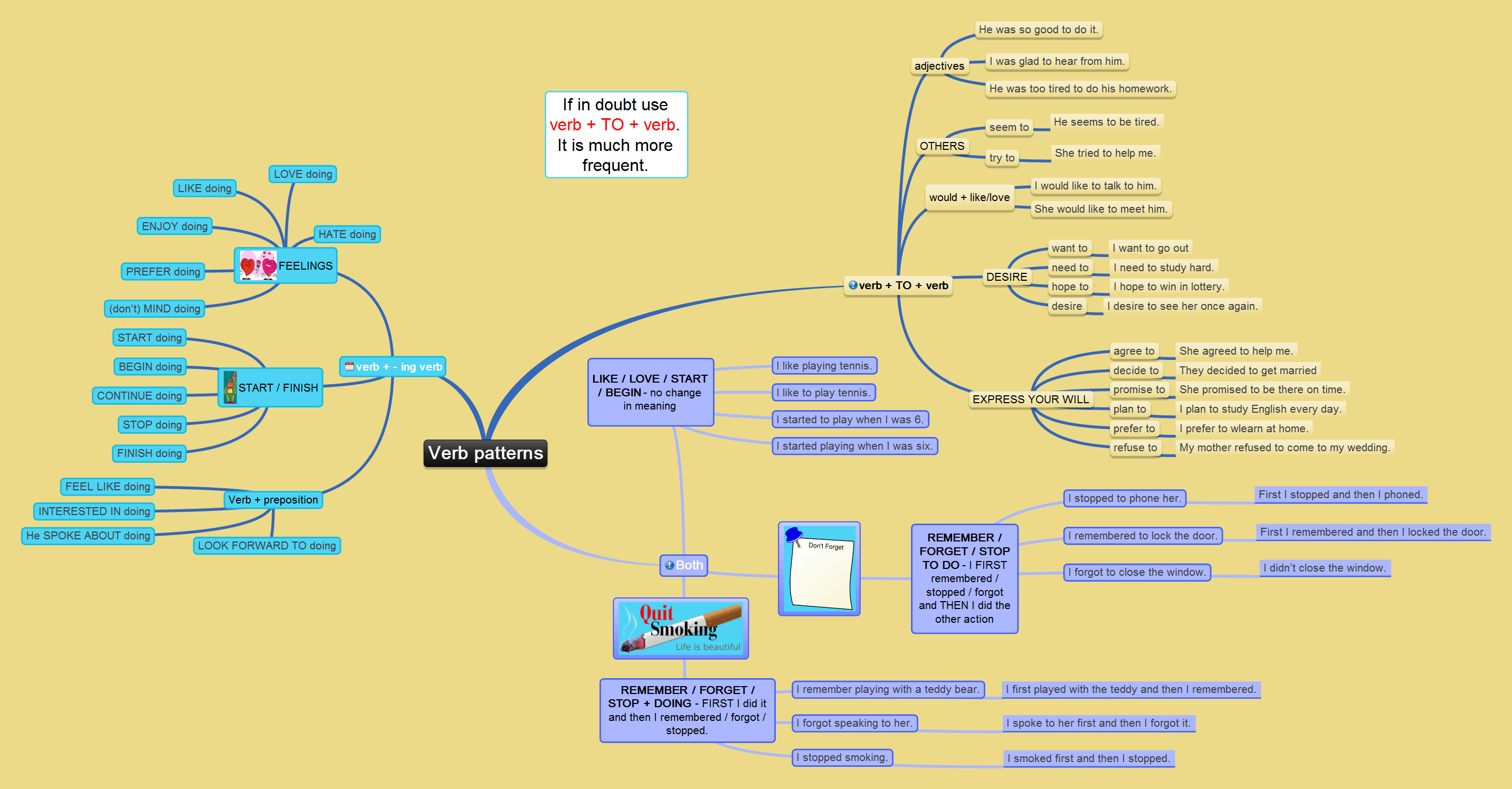
My pre-intermediate students are confused by all the different verb patterns. So the last two weeks I spent designing a mind map that would help them. It is in no way a comprehensive description of the grammar, but I feel quite happy about it. Looking for some rules I discovered that the pattern verb +…